How to Prevent Frozen Pipes in Winter: The Complete Protection Guide
When mid-Atlantic winter arrives with plunging temperatures, ice storms, and polar vortex chills, residential plumbing networks face severe mechanical stress. Water expands by approximately 9% in volume as it transitions from a liquid state to solid ice. Inside a rigid copper, galvanized steel, or PEX supply line, this thermal expansion creates catastrophic hydraulic pressure that can rupture pipe walls, flood basements, and cause thousands of dollars in structural drywall and flooring damage.
Learning how to prevent frozen pipes in winter before the first deep freeze arrives is an essential responsibility for every homeowner. A frozen pipe is rarely an isolated inconvenience; an unchecked freeze often leads to a sudden burst once the line thaws, releasing hundreds of gallons of water within hours.
By understanding where cold air infiltrates your exterior envelope, insulating exposed plumbing lines, and establishing smart interior heating routines, you can safeguard your home throughout the coldest winter months.
Quick Reference: Winter Freeze Vulnerability Matrix
The reference table below outlines which plumbing lines face the highest freeze risk, the temperature thresholds where problems begin, and the preventative measures required:
| Pipe Location & Material | Freeze Risk Level | Critical Outdoor Temp | Primary Vulnerability | Immediate Preventative Action |
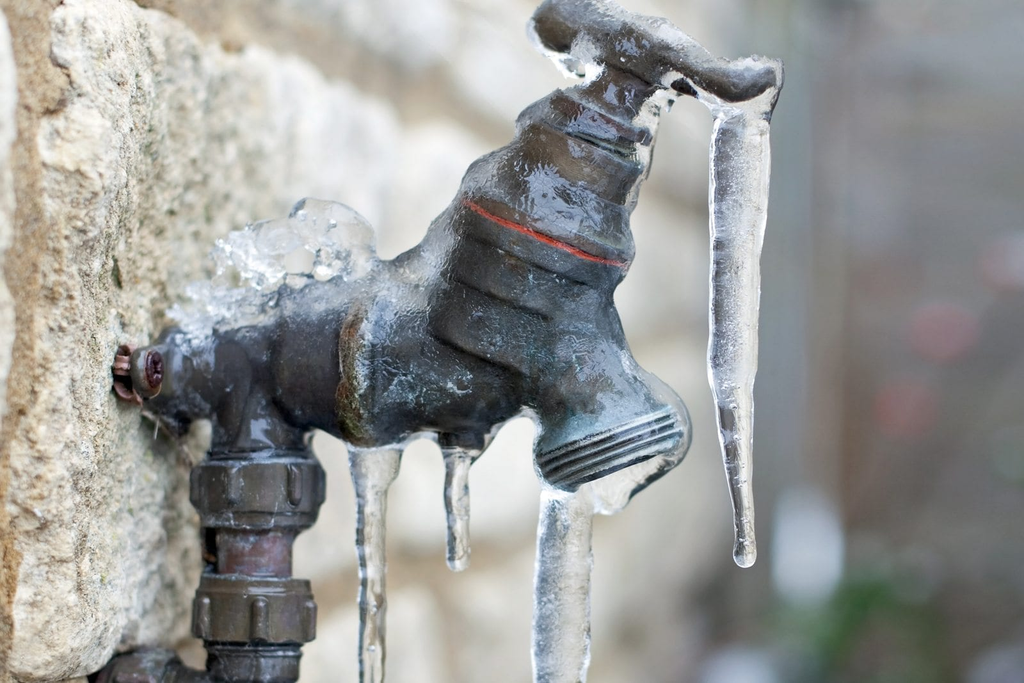
| Outdoor Hose Bibbs / Spigots | Extreme | At or below 32°F | Standing water inside sillcock body | Disconnect garden hoses, shut interior isolation valve, bleed waste cap |
| Crawl Space & Unfinished Basement Lines | High | Below 25°F | Direct drafts, lack of ambient heat | Install closed-cell foam sleeves; seal foundation vent gaps |
| Vented Attic Supply Runs | High | Below 20°F | Rising cold air, thin insulation cover | Wrap lines in R-value fiberglass; keep insulation between pipe and roof deck |
| Exterior Wall Vanity / Kitchen Sinks | Moderate to High | Below 20°F | Dead air pockets inside uninsulated cabinets | Open under-sink cabinet doors; allow faucet to maintain a steady pencil-thin drip |
| Garage & Utility Room Plumbing | Moderate | Below 25°F | Thermal bridging via metal garage doors | Keep overhead garage doors closed; insulate exposed water heater lines |
1. Why Pipes Freeze and Why They Burst
A widespread misconception among homeowners is that a freezing pipe bursts directly at the point where the ice blockage forms. In reality, modern plumbing hydraulics reveal a different failure mechanism:
When an ice plug forms inside a copper or plastic pipe, it creates a tight seal against the interior wall. As ice continues to freeze and expand along the length of the line, it forces the remaining liquid water toward closed downstream fixtures, such as closed sink faucets or shower valves.
Trapped water cannot compress. As ice pushes against this trapped pocket, downstream hydraulic pressures can spike beyond 2,000 to 4,000 pounds per square inch (PSI) well beyond the burst rating of residential plumbing lines. Eventually, the pipe wall splits downstream from the freeze, frequently behind finished sheetrock or above finished ceilings where leaks go unnoticed until temperatures rise and the ice melts.
2. Autumn Outdoor Preparations: Exterior Faucets and Irrigation
The first defensive step in mastering how to prevent frozen pipes in winter begins outdoors weeks before freezing temperatures set in. Exterior hose bibbs and garden sillcocks are directly exposed to freezing winds and represent the most common freeze failure point in residential homes.
Remove All Garden Hoses
Never leave garden hoses connected to outdoor spigots during freezing weather. A connected hose traps residual water inside the neck of the faucet body. Even modern “frost-free” anti-siphon sillcocks will fail and crack if a connected hose prevents the internal valve stem from draining back into the heated wall cavity.
Shut Off and Drain Interior Isolation Valves
Most residential construction features dedicated interior shut-off gate or ball valves located in the basement, utility closet, or crawl space that supply exterior spigots:
- Turn the interior isolation valve clockwise until completely closed.
- Walk outside, open the exterior hose bibb fully, and let all remaining water drain out.
- Return inside and place a small bucket beneath the tiny brass bleeder cap on the side of the interior shut-off valve.
- Unscrew the bleeder cap to drain vacuum-locked water between the interior valve and exterior wall, then screw the cap back on snug.
Install Insulated Spigot Covers
For exterior bibbs without interior shut-off valves, install molded styrofoam or insulated fabric faucet jackets. These covers strap tightly against the home’s exterior cladding, trapping radiant heat radiating through the foundation wall around the valve assembly.
3. Protecting Vulnerable Indoor Plumbing Runs
Plumbing routed through unconditioned spaces such as unheated crawl spaces, attics, cantilevers, and exterior-facing walls demands structural thermal protection.
Insulate Exposed Water Lines
Wrap all accessible cold and hot water lines located in unheated basements, attics, and crawl spaces with pre-slit, closed-cell polyethylene foam insulation or fiberglass pipe sleeves. Pay close attention to elbows, tees, and valve connections where bare metal contacts ambient air. Secure insulation seams tightly using heavy-duty acrylic vapor-barrier tape to prevent cold air infiltration along seams.
Seal Drafts Along Rim Joists and Wall Penetrations
A pipe wrapped in thick foam insulation can still freeze if exposed to a continuous sub-freezing draft through an unsealed gap. Inspect exterior basement rim joists and sill plates for daylight or cold air leaks. Use expanding spray foam or exterior-grade silicone caulk to seal around dryer vents, electrical service conduits, outdoor gas lines, and cable penetrations where winter drafts enter wall cavities.
According to research from the Insurance Institute for Business & Home Safety (IBHS) Freezing Pipes Guidance, maintaining a sealed thermal envelope and insulating pipe runs in unconditioned spaces significantly reduces catastrophic winter freeze claims and prevents structural water damage.
4. Managing Interior Thermostats and Air Circulation
How you manage your home’s interior climate during sub-freezing conditions plays a vital role in keeping hidden pipes clear of ice dams.
Maintain Consistent Thermostat Temperatures
Resist the temptation to dial back your thermostat overnight or while away at work during severe cold snaps. Lowering the temperature from 70°F to 58°F overnight creates extended cooling cycles that allow exterior wall cavities to drop below freezing. Keep your thermostat set to a steady temperature of at least 65°F to 68°F day and night throughout extreme winter weather.
Open Kitchen and Bathroom Cabinet Doors
Plumbing lines feeding kitchen sinks and bathroom vanities located on exterior-facing walls are often tucked behind cabinetry. Closed cabinet doors block warm interior air, creating an insulated pocket of freezing air against cold exterior sheathing. Swing open under-sink cabinet doors during freezing nights to allow warm indoor air to circulate directly around supply lines and P-traps.
Let Problem Faucets Drip Lightly
If an exterior cold snap is forecast to drop below 20°F, or if you know specific plumbing lines run through cold walls, let the faucet furthest from your main water supply maintain a continuous, steady drip:
- Run both the hot and cold water sides to produce a pencil-thin stream or consistent drip.
- Flowing water resists freezing far better than standing water.
- More importantly, leaving the faucet slightly open relieves internal hydraulic pressure, ensuring that even if an ice dam begins to form, trapped pressure vents harmlessly out the open tap without rupturing the pipe wall.
5. What to Do If Your Pipes Freeze
If you open a faucet on a sub-freezing morning and only a few sputtering drops emerge, your line is likely frozen. Handling a frozen line quickly can prevent a rupture:
- Shut Off the Main Water Supply Immediately: Before attempting to thaw anything, locate your main water shut-off valve (near the water meter or front foundation entry point) and close it completely. If a pipe has already split beneath the ice, opening the line without shutting off the main will flood your home the moment the ice melts.
- Open the Affected Faucets: Open both hot and cold handles to relieve pressure as the ice blockage thaws.
- Apply Gentle, Safe Heat: Trace the pipe backward from the fixture to unheated crawl spaces, basements, or exterior walls to find the freeze point. Use a handheld hair dryer, electric heating pad, or warm damp towels wrapped around the pipe.
- NEVER Use Open Flames: Never use blowtorches, propane heaters, kerosene space heaters, or open flames to thaw frozen plumbing. Open flames ignite dry wall studs, melt solder connections, and create extreme steam pressure pockets that can cause pipes to explode.

Professional Winterization and Plumbing Support
Understanding how to prevent frozen pipes in winter helps you take proactive measures, but resolving complex, hidden frozen lines or repairing burst pipes requires specialized professional tools. Detecting hairline splits inside walls or clearing deep ice blocks without opening finished drywall demands professional diagnostic equipment.
Homeowners throughout Montgomery County who face low winter water pressure, frozen pipes, or burst lines can turn to the master plumbers at Stang Plumbing & Heating frozen pipe repair and emergency plumbing services. Backed by decades of residential plumbing experience, their licensed team provides responsive freeze repairs, installs frost-free exterior sillcocks, replaces split piping, and winterizes vulnerable supply lines to keep your home warm, dry, and protected all season long.
Winterize Early to Protect Your Home
Understanding how to prevent frozen pipes in winter comes down to three steps: eliminating outdoor water connections, insulating exposed pipe runs, and maintaining steady interior heat and water movement during deep freezes. By taking preventative action in the fall, you protect your family, preserve your plumbing network, and avoid costly winter water damage emergencies.